
Home Renovation Costs & ROI in Spain: Complete Guide 2026
Home renovation cost and ROI in Spain: €/m² ranges for kitchen, bath, and full gut jobs, permits, energy upgrades, and which works sell faster in 2026.
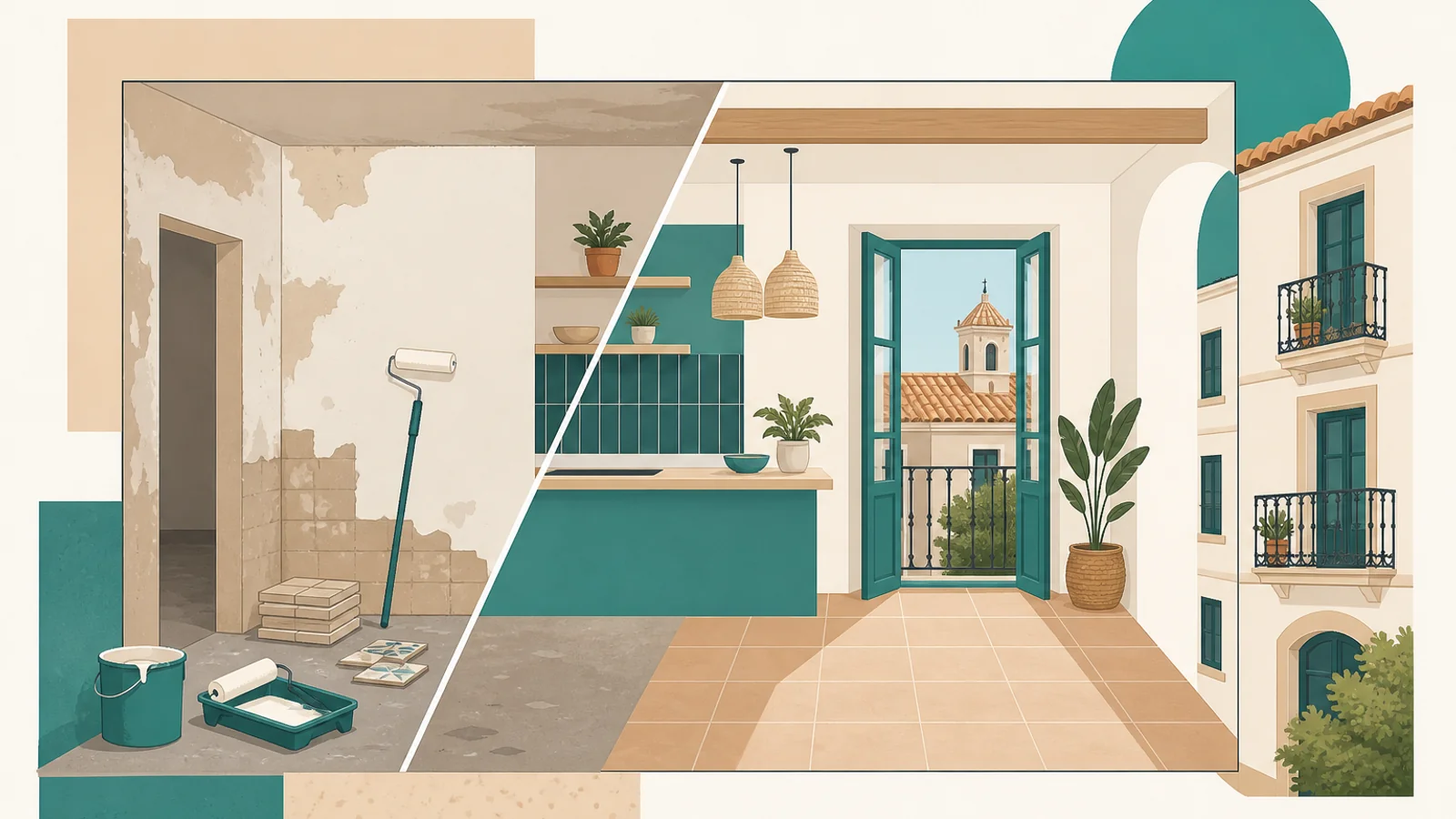
Renovating property in Spain offers tremendous potential to enhance living quality, increase property value, and create personalized spaces that reflect your aesthetic preferences. Whether you’re updating a dated apartment in Barcelona, restoring a historic townhouse in Seville, or modernizing a coastal villa on the Costa del Sol, understanding renovation costs, return on investment, and regulatory requirements ensures successful project outcomes.
Spanish property renovation—commonly called reforma—ranges from simple cosmetic updates to comprehensive structural transformations. The country’s diverse architectural heritage, regional building traditions, and varying climate conditions create unique renovation considerations depending on your property’s location and characteristics.
This comprehensive guide breaks down typical renovation costs by project type, analyzes which improvements deliver the strongest ROI, navigates Spain’s permit and regulatory landscape, and provides contractor selection strategies. Whether renovating for personal enjoyment, preparing to sell, or optimizing rental income, informed budgeting and planning maximize your investment returns.
Understanding Spanish Renovation Terminology
Before diving into costs and planning, familiarizing yourself with Spanish renovation terminology helps communicate effectively with contractors, architects, and municipal authorities.
Reforma integral refers to comprehensive renovations affecting the entire property, typically including structural modifications, complete system replacements (electrical, plumbing, HVAC), and full interior redesign. These major projects require extensive permits and professional oversight.
Reforma parcial describes partial renovations targeting specific areas or systems—kitchen and bathroom updates, flooring replacement, or interior repainting. These projects typically involve fewer permits and lower costs than integral reforms.
Obra mayor designates major construction work requiring building licenses—structural modifications, additions, facade changes, or projects affecting building safety or appearance. Municipal approval and professional architect involvement are mandatory.
Obra menor covers minor work not affecting structure or building appearance—interior painting, non-structural partition changes, fixture replacements. These projects require simpler permits with faster approval processes.
Understanding these distinctions helps you categorize your planned renovation scope, estimate appropriate budgets, and prepare for regulatory requirements before starting work.
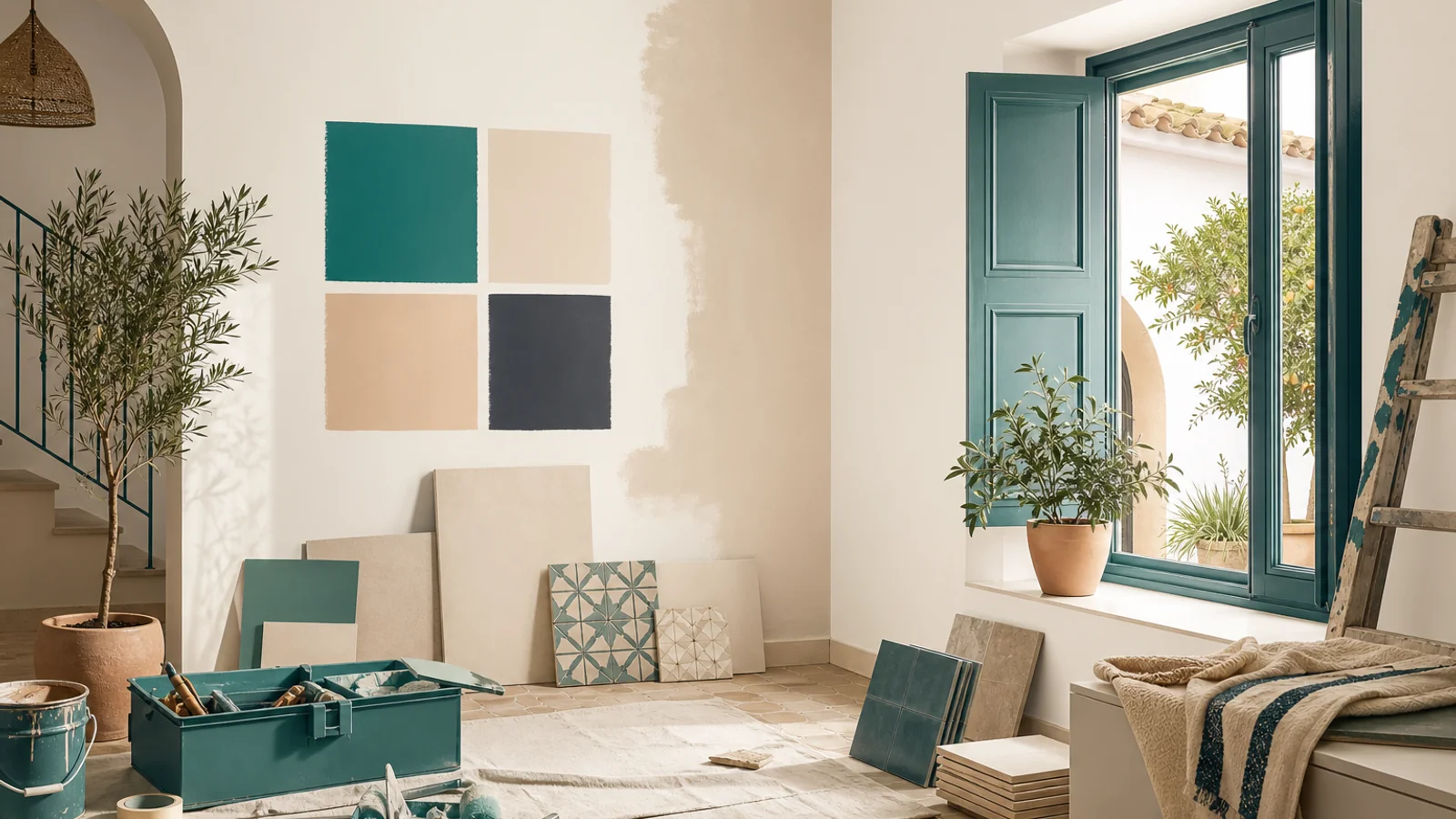
Renovation Cost Breakdown by Project Type
Renovation costs in Spain vary dramatically based on project scope, property location, material quality, and whether you’re renovating urban apartments or standalone homes. According to INE’s 2026 housing data and Idealista’s renovation cost analysis, the following estimates reflect typical costs in major markets as of 2026, though regional variations and project-specific factors can shift these ranges significantly.
Kitchen Renovations
Kitchen renovations consistently rank among the most popular and value-adding improvements. Complete kitchen remodels in Spain typically cost €8,000-25,000 depending on size, appliance quality, and finish selections.
Basic kitchen updates with new cabinets, countertops, standard appliances, and simple backsplash typically run €8,000-12,000 for a 10-12 square meter kitchen. Mid-range renovations with quality cabinetry, stone countertops, integrated appliances, and designer lighting cost €12,000-18,000. High-end custom kitchens featuring premium materials, professional-grade appliances, and sophisticated design exceed €20,000.
Labor typically represents 40-50% of total kitchen renovation costs in Spain, with materials and appliances comprising the remainder. Urban areas like Madrid and Barcelona command premium labor rates—€35-50 per hour for skilled trades—while smaller cities and rural areas offer lower rates around €25-35 per hour.
Smart kitchen investment strategies focus on functional improvements that enhance daily use while appealing to future buyers: increased storage, modern appliances, durable worksurfaces, and efficient layouts. Overly personalized design choices or ultra-premium materials may not recoup costs upon sale.
Bathroom Renovations
Bathroom renovations deliver strong ROI while dramatically improving daily living quality. Complete bathroom remodels in Spain range from €5,000-15,000 per bathroom depending on size, fixture quality, and tile selections.
Standard bathroom renovations including new fixtures, standard tiling, basic vanity, and shower or bathtub replacement typically cost €5,000-8,000 for a 5-6 square meter bathroom. Mid-range upgrades with quality fixtures, designer tiles, custom vanities, and improved lighting run €8,000-12,000. Luxury bathrooms featuring premium fixtures, natural stone, underfloor heating, and spa-like amenities exceed €12,000.
Plumbing modifications significantly impact costs—relocating fixtures or upgrading ancient plumbing systems adds €2,000-5,000 to budgets. Waterproofing and proper moisture management are crucial in Spanish climates, particularly coastal regions where humidity and salt air accelerate deterioration.
Bathrooms consistently deliver 70-85% ROI upon sale, making them smart investment targets. Focus on timeless design, quality materials that withstand moisture, and functional improvements like storage and lighting rather than trendy elements that quickly date.
Flooring Updates
Flooring replacement dramatically transforms property appearance while offering practical benefits like improved insulation and easier maintenance. Costs vary substantially by material choice and installation complexity.
Ceramic or porcelain tile—extremely popular in Spain for durability and heat management—typically costs €30-60 per square meter installed for standard tiles, while premium designer tiles run €60-100+ per square meter. Hardwood flooring, increasingly popular in urban apartments, costs €50-100+ per square meter depending on wood species and finish quality.
Laminate flooring offers budget-friendly alternatives at €20-40 per square meter installed, providing wood appearance at lower cost and easier maintenance. Luxury vinyl plank (LVP), gaining popularity for waterproof properties and realistic wood appearance, costs €35-60 per square meter installed.
Labor for flooring installation represents 30-40% of total costs. Complex patterns, irregular spaces, or removal of existing flooring increase labor time and expense. Always budget for subfloor preparation—leveling, moisture barriers, and underlayment—which many homeowners overlook.
Cost breakdown
| Cost bucket | Typical share / note |
|---|---|
| Primary price / works | Largest line item |
| Taxes & fees | Often mid-single to low-double digits % |
| Professionals | Lawyer, notary, agent, surveyor |
| Contingency | Keep a cash buffer |
Painting and Cosmetic Updates
Painting represents one of the most cost-effective renovation investments, dramatically refreshing spaces at relatively low cost. Professional interior painting in Spain typically costs €8-15 per square meter for walls and ceilings, including preparation, two coats, and cleanup.
Complete apartment painting (80-100 square meters) generally runs €1,200-2,500 depending on condition, ceiling height, and paint quality. Exterior painting costs more—€15-25 per square meter—due to weather protection requirements, scaffolding or lift rental, and surface preparation challenges.
Beyond painting, cosmetic updates like new light fixtures (€50-300 per fixture installed), modernized door hardware (€30-100 per door), updated window treatments, and minor trim work dramatically improve appearance at modest cost. Allocate €2,000-5,000 for comprehensive cosmetic updates in typical apartments.
These superficial improvements often deliver the strongest ROI—well-maintained, freshly painted properties photograph better, show cleaner, and command higher prices with minimal investment relative to structural improvements.
Electrical and Plumbing System Updates
Upgrading outdated electrical and plumbing systems represents crucial investment in older Spanish properties, improving safety, functionality, and compliance with current codes.
Complete electrical system replacement—new panel, circuit upgrades, rewiring, modern outlets and switches—typically costs €3,000-8,000 for a 100 square meter apartment. Adding circuits for modern appliances, upgrading to three-phase power, or installing smart home systems increases costs.
Plumbing system replacement including new supply lines, drain pipes, and fixture connections runs €2,500-6,000 for typical apartments. Older buildings with galvanized or lead pipes require complete replacement to prevent leaks and water quality issues.
While system upgrades may not directly increase sale prices, they prevent future problems, pass inspections, and reassure buyers about property condition. Budget these essential investments when renovating older properties even if you’re tempted to allocate funds to more visible improvements.
High-ROI Renovations and Value-Add Strategies
Not all renovations deliver equal returns. Understanding which improvements generate the strongest ROI helps prioritize limited budgets and maximize property value increases.
Kitchen and Bathroom Focus
Kitchen and bathroom renovations consistently top ROI rankings, typically returning 70-90% of investment upon sale while dramatically improving daily living quality during ownership. These high-traffic, high-function spaces disproportionately influence buyer perceptions and willingness to pay premium prices.
Strategic kitchen and bathroom investments balance modern functionality with timeless design. Avoid ultra-trendy choices that quickly date—stick with classic color palettes (whites, grays, natural tones), quality materials that age well, and layouts that maximize space efficiency.
For apartments in competitive urban markets like Madrid or Barcelona, modern, well-appointed kitchens and bathrooms can mean the difference between quick sale at asking price versus months on market with eventual price reductions.
Energy Efficiency Improvements
Energy efficiency renovations deliver multiple benefits: lower utility costs, improved comfort, environmental benefits, and increasingly, higher property values as energy consciousness grows among buyers.
Popular efficiency improvements include: upgraded windows and doors with proper seals (€3,000-10,000), improved insulation in roofs and walls (€2,000-8,000), high-efficiency HVAC systems (€3,000-8,000), and solar panel installation (€5,000-15,000 depending on system size).
Spain’s mandatory energy performance certificates (certificado de eficiencia energética) rate properties from A (most efficient) to G (least efficient). Properties with better ratings command premium prices—studies suggest each grade improvement increases value by 2-5% depending on market and property type.
Government incentive programs periodically subsidize efficiency improvements, particularly solar installations and insulation upgrades. The IDAE (Instituto para la Diversificación y Ahorro de la Energía) manages national energy efficiency programs, while regional governments offer additional subsidies. Research available programs before starting projects to maximize financial benefits.
Outdoor Space Enhancement
Outdoor spaces—terraces, balconies, patios, gardens—carry premium value in Spanish property markets where climate enables year-round outdoor living. Strategic outdoor improvements deliver strong returns relative to investment.
Terrace and balcony renovations including waterproofing, quality flooring, weather-resistant furniture, shade solutions, and greenery typically cost €2,000-8,000 depending on size and scope. Garden landscaping with irrigation systems, mature plantings, lighting, and hardscaping runs €3,000-15,000+ for larger spaces.
Outdoor spaces effectively extend usable living area, a particularly valuable feature in urban apartments with limited interior square meters. Quality outdoor areas photograph beautifully in listings, attract showing requests, and generate emotional buyer connections that facilitate offers.
Open-Plan Layouts and Space Optimization
Modern buyers increasingly prefer open-plan layouts over compartmentalized traditional Spanish apartment configurations. Removing non-structural walls to create flowing spaces between kitchen, dining, and living areas costs €1,500-4,000 per wall including structural assessment, removal, beam installation if needed, and finishing.
Space optimization strategies—built-in storage, multi-functional furniture, smart closet systems—maximize utility in smaller Spanish urban apartments where every square meter counts. Custom built-ins cost €200-500 per linear meter but dramatically improve functionality and perceived spaciousness.
Before removing walls, verify they’re non-structural through professional assessment. Removing load-bearing walls requires structural engineering, steel beam installation, and extensive permits—projects that can cost €5,000-15,000 and take months to approve and execute.
Process flow
flowchart LR
%% Process
S0["1. Audit"]
S1["2. Budget"]
S2["3. Works"]
S3["4. Finish"]
S4["5. ROI"]
S0 --> S1
S1 --> S2
S2 --> S3
S3 --> S4
Permits, Regulations, and Legal Requirements
Navigating Spain’s building permit system represents one of the most challenging aspects of property renovation, particularly for foreign owners unfamiliar with local bureaucracy. Understanding requirements and processes prevents costly delays, fines, or forced undoing of unpermitted work.
Building Permit Types and Requirements
Spanish municipalities classify construction work as obra mayor (major works) or obra menor (minor works), each requiring different permit processes and documentation.
Obra mayor permits are mandatory for: structural modifications, facade changes, additions, roof work, system replacements affecting building infrastructure, and accessibility improvements. Applications require architect-prepared project plans, structural calculations, energy performance analysis, and technical specifications. Processing typically takes 2-6 months depending on municipality workload and project complexity.
Obra menor permits cover: interior painting, non-structural partitions, fixture replacement, flooring updates, and minor system modifications. Applications require basic project descriptions and contractor information. Processing usually takes 2-4 weeks.
Working without required permits risks municipal stop-work orders, fines of €600-6,000+ depending on infraction severity, mandatory demolition of unpermitted work, and complications selling property or securing financing. Always obtain proper permits before starting work.
Historic Buildings and Heritage Designations
Properties in historic districts (casco histórico) or buildings with heritage designations face additional restrictions protecting architectural character. These regulations may mandate: matching original materials, preserving facade elements, limiting color choices, maintaining original layouts, and using approved contractors experienced in heritage restoration.
Heritage renovation projects require special permits from cultural departments in addition to standard building licenses. Processing times extend significantly—often 6-12 months—due to additional review layers. Budget 20-30% more for heritage renovations due to specialized materials, skilled craftspeople, and extended timelines.
Consult municipal planning departments early in renovation planning to understand specific restrictions affecting your property. Attempting unpermitted modifications to protected buildings risks severe penalties and forced restoration to original conditions at owner expense.
Community of Owners Approval
Apartment renovations in community buildings (comunidad de propietarios) require community approval for work affecting: common areas, facades, balconies, structural elements, and sometimes even interior changes if noise or schedule disrupt neighbors.
Submit renovation plans to your community administrator (administrador de fincas) including project scope, timeline, contractor information, and insurance certificates. Simple interior renovations typically gain approval via administrator decision, while major work may require community meeting votes.
Establish clear communication with neighbors about project timing, noise expectations, and any temporary inconveniences. Goodwill and transparency prevent complaints that can derail projects or create lasting neighborhood tensions.
Practical checklist
- Verify key documents with a professional
- Compare at least two solid options
- Budget taxes, fees, and a contingency
- Confirm local rules for your city/CCAA
- Plan the next step before you commit
Contractor Selection and Project Management
Choosing qualified contractors and managing renovation projects effectively determines success or frustration. Spanish construction culture, communication practices, and business norms differ from other countries—understanding these nuances helps foreign owners navigate renovations smoothly.
Finding and Vetting Contractors
Quality contractor selection starts with multiple referrals from trusted sources: real estate agents, property managers, neighbors who’ve completed similar projects, and local expatriate communities. Online platforms like Habitissimo and Cronoshare connect owners with contractors, though always verify credentials and check references.
Interview at least three contractors for any substantial project. Evaluate based on: relevant experience with similar projects, appropriate licenses and insurance, clear communication style, detailed written estimates, realistic timelines, and professional references you can verify.
Red flags include: pressure to start immediately without proper contracts, requests for large upfront payments (typical deposits are 30-40%), vague or incomplete estimates, lack of proper insurance, and reluctance to provide references or examples of past work.
Always obtain detailed written contracts specifying: complete scope of work, materials specifications including brands and quality levels, payment schedule tied to completion milestones, project timeline with start and completion dates, warranty terms, and dispute resolution procedures.
Managing Costs and Avoiding Budget Overruns
Renovation projects frequently exceed initial budgets—the industry average overrun is 15-25%. Protect yourself through: detailed contracts specifying all work and materials, 15-20% contingency budget for unexpected issues, written approval requirements for any change orders, and regular payment tied to verified completion milestones.
Common budget busters include: hidden structural problems discovered during demolition, scope creep as owners request additional changes mid-project, material upgrades beyond original specifications, and underestimated labor time for complex work.
Create detailed material and finish selections before starting work. Changing decisions mid-project—different tile, upgraded fixtures, modified layouts—causes delays and cost increases. Make all major decisions upfront even if it delays project start.
Timeline Expectations and Project Oversight
Spanish construction timelines often run longer than expected by foreign owners accustomed to different work cultures. Factor realistic timeframes: complete apartment renovations (reforma integral) typically take 3-6 months, kitchen or bathroom renovations 3-6 weeks, and painting/cosmetic work 1-2 weeks.
Summer months and holiday periods slow progress as contractors and suppliers take extended vacations. Avoid scheduling critical completion dates around August or major holidays unless you’ve confirmed contractor availability.
Regular site visits—weekly at minimum—help catch problems early, verify quality, and maintain project momentum. If you can’t personally oversee work, hire a project manager or architect (€1,000-3,000 for typical projects) to represent your interests and ensure compliance with plans.
Financing Renovation Projects
Funding renovations requires planning, particularly for substantial projects costing tens of thousands of euros. Several financing options exist in Spain, each with distinct advantages and considerations.
Personal Savings and Cash Payment
Paying cash from savings offers the greatest flexibility and avoids interest costs. Many contractors offer modest discounts (5-10%) for full cash payment upfront, though verify they’re properly licensed and insured before making large payments.
Cash payment limitations include: depleting emergency reserves, opportunity cost of capital tied up in illiquid real estate, and inability to leverage financing for larger projects that might deliver stronger returns.
Home Equity Loans and Lines of Credit
Property owners with substantial equity can borrow against property value through home equity loans or lines of credit. Spanish banks typically lend up to 70-80% of appraised value minus existing mortgages, with interest rates around 3-6% depending on borrower profile and property characteristics.
These products offer lower rates than personal loans due to property collateral, though they involve appraisal costs (€300-500), notary fees for mortgage registration, and monthly repayment obligations regardless of renovation ROI.
Personal Loans and Renovation Financing
Unsecured personal loans for renovations typically offer €5,000-50,000 at interest rates of 5-10% depending on borrower creditworthiness. Terms usually run 3-7 years with fixed monthly payments.
Some banks offer specific renovation loan products with preferential rates for energy efficiency improvements or updates meeting specific criteria. Research available programs before committing to standard personal loans.
Government Incentive Programs
Spanish national and regional governments periodically offer renovation subsidies and tax incentives, particularly for: energy efficiency improvements, accessibility modifications, historic building restoration, and young buyer assistance programs.
Current programs vary by region and change frequently. Consult with local municipal housing departments, energy agencies, or specialized advisors about available incentives before finalizing renovation plans. Proper documentation and approved contractors are typically required to qualify for subsidies.
Related guides and city hubs
Useful next reads on Inmodir:
- energy performance certificate spain
- green mortgages housing grants spain
- sell home fast spain
- real estate investing spain
City hubs:
Official and industry sources
Verify figures and rules on primary sources:
This guide is educational, not legal, tax, or mortgage advice. Confirm details with a qualified professional and current CCAA rules.
FAQ
Do rules vary by region? Yes—ITP, some rental rules, and grants differ by autonomous community. Always verify locally.
Should I use a lawyer? For purchases, auctions, and complex leases, independent legal advice is strongly recommended.
Are market figures guaranteed? No. Official indexes and portal reports describe past or recent conditions, not future returns.
What should I budget beyond the price? Plan for taxes, notary/registry, possible agency fees, and a cash buffer after closing.
Where can I dig deeper on Inmodir? Use the related guides and city hubs linked in this article.